Maintaining an optimal voice level is crucial in a classroom setting, as it directly impacts the learning experience. When students are aware of their voice levels, they can better engage with the material, respect their peers, and create a conducive environment for learning. A free printable voice level chart can be a valuable tool for teachers, helping to establish clear expectations and guidelines for voice levels during different activities.
The concept of a voice level chart is simple yet effective. It typically consists of a visual representation, such as a poster or handout, that illustrates different voice levels, often ranked on a scale. This scale can range from a silent or whispering level to a loud or outdoor voice level. By displaying this chart in the classroom, teachers can promptly remind students of the appropriate voice level for various tasks, such as reading, group work, or presentations, ensuring that everyone is on the same page.
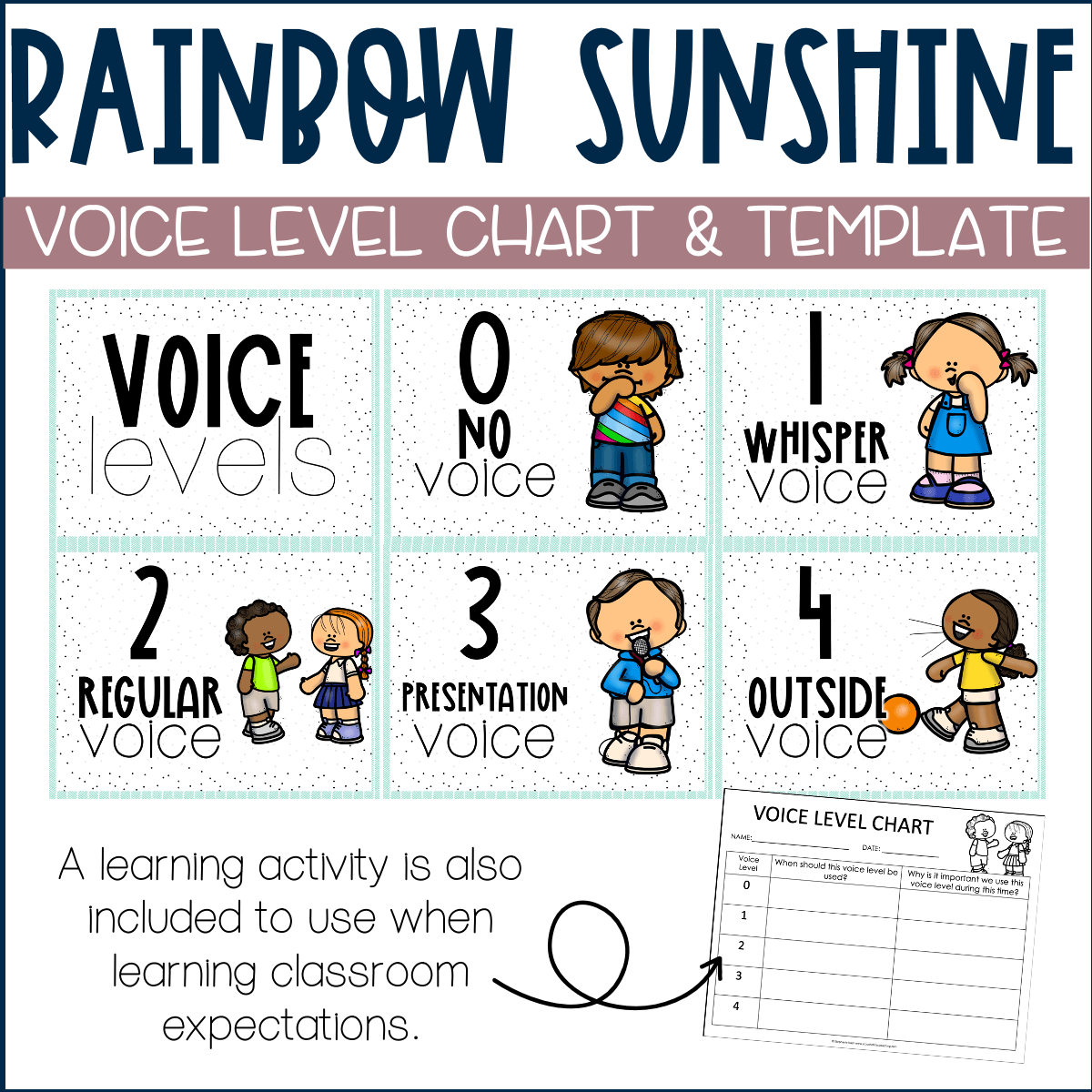
Voice Level Chart Stephanie Nash A Touch Of Class Teaching
Understanding Voice Levels
Understanding voice levels is the first step towards effectively implementing a voice level chart in the classroom. Teachers should explain the reasoning behind the different levels and how they correspond to specific activities. For instance, a level 1 might represent silence, necessary for tests or quiet reading time, while a level 4 could signify a loud, outdoor voice, suitable for recess or outdoor activities. By ensuring students comprehend the purpose and application of each level, teachers can encourage self-regulation and responsibility.
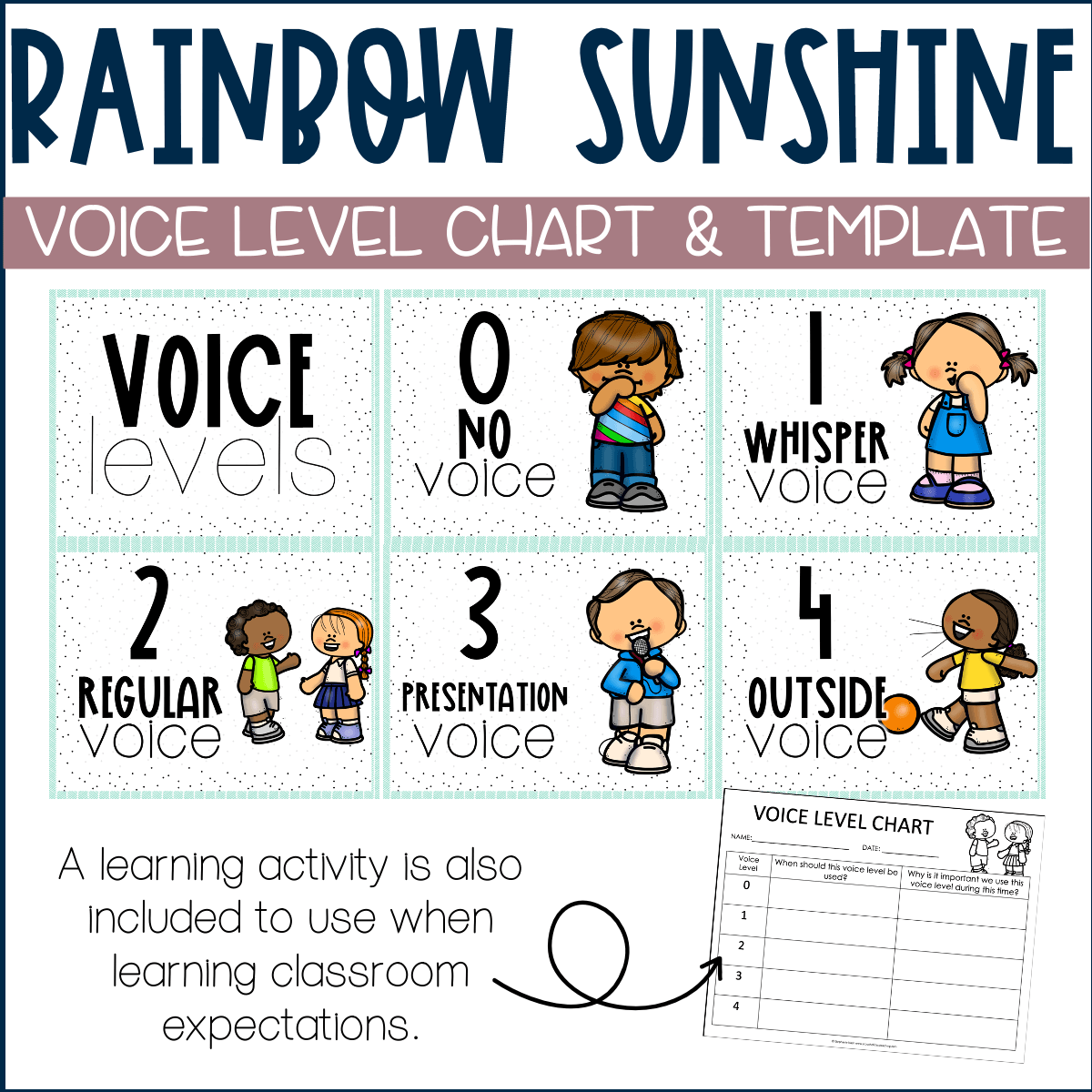
Voice Level Chart Stephanie Nash A Touch Of Class Teaching
Benefits of a Voice Level Chart
The benefits of a voice level chart are multifaceted. Not only does it help in maintaining discipline and minimizing disruptions, but it also fosters an environment of respect and consideration among students. When students are mindful of their voice levels, they are more likely to be respectful of others who may be working or concentrating. Furthermore, a voice level chart can be particularly beneficial for students with special needs or those who are introverted, providing them with a clear guide to navigate social interactions and classroom expectations.
Implementing the Chart in the Classroom
Implementing the chart in the classroom requires consistency and positive reinforcement. Teachers should regularly refer to the chart, especially during transitions between activities, to remind students of the expected voice level. Additionally, acknowledging and rewarding students when they adhere to the appropriate voice levels can motivate them to continue demonstrating good voice level habits. This could be done through verbal praise, stickers, or stars on a behavior chart, making the learning experience more engaging and rewarding.
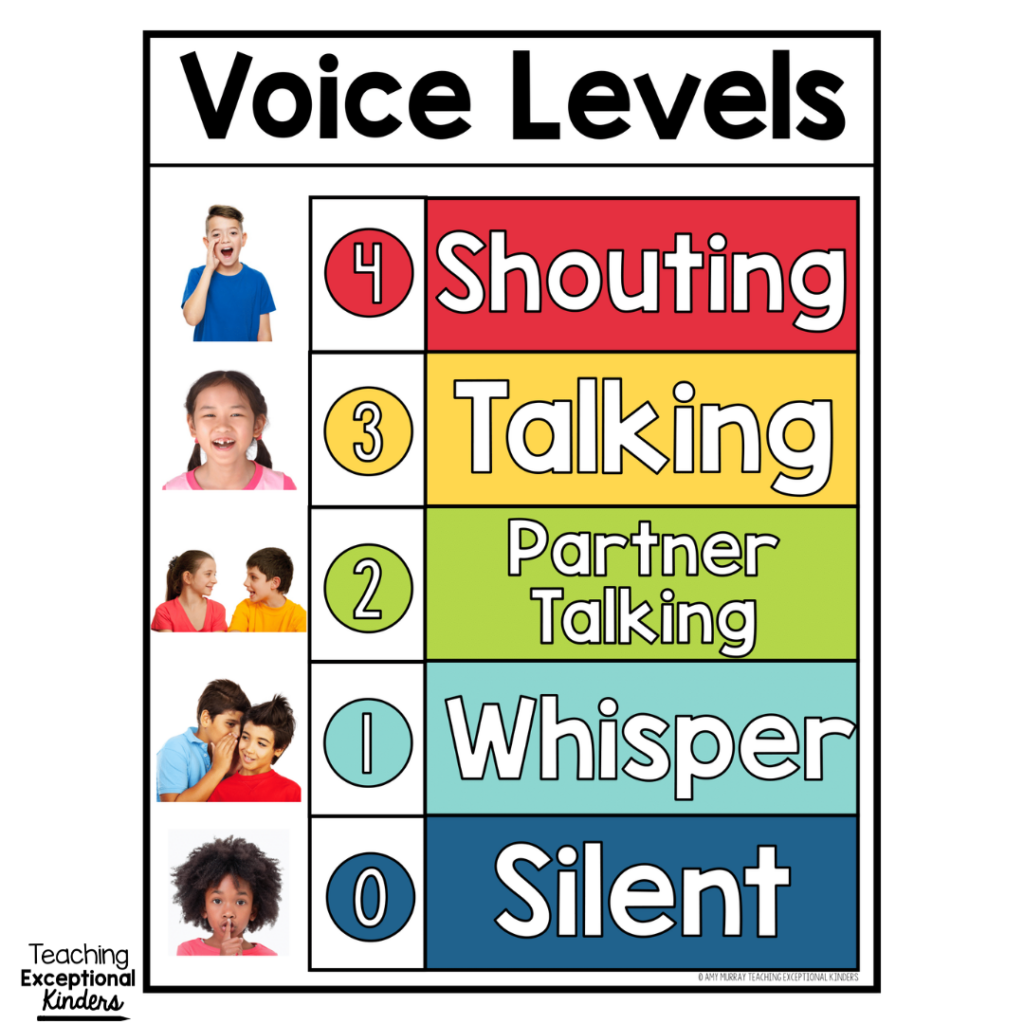
Tips For Teaching Voice Levels In The Classroom Teaching Exceptional Kinders
In conclusion, a free printable voice level chart is a straightforward yet powerful tool for enhancing classroom management and promoting a culture of respect and self-awareness. By understanding the importance of voice levels, recognizing the benefits of a voice level chart, and effectively implementing it in the classroom, teachers can create an environment that is conducive to learning, social growth, and overall student well-being. Whether you are a seasoned educator or just starting your teaching journey, incorporating a voice level chart into your classroom routine can have a significant and positive impact on your students’ educational experience.
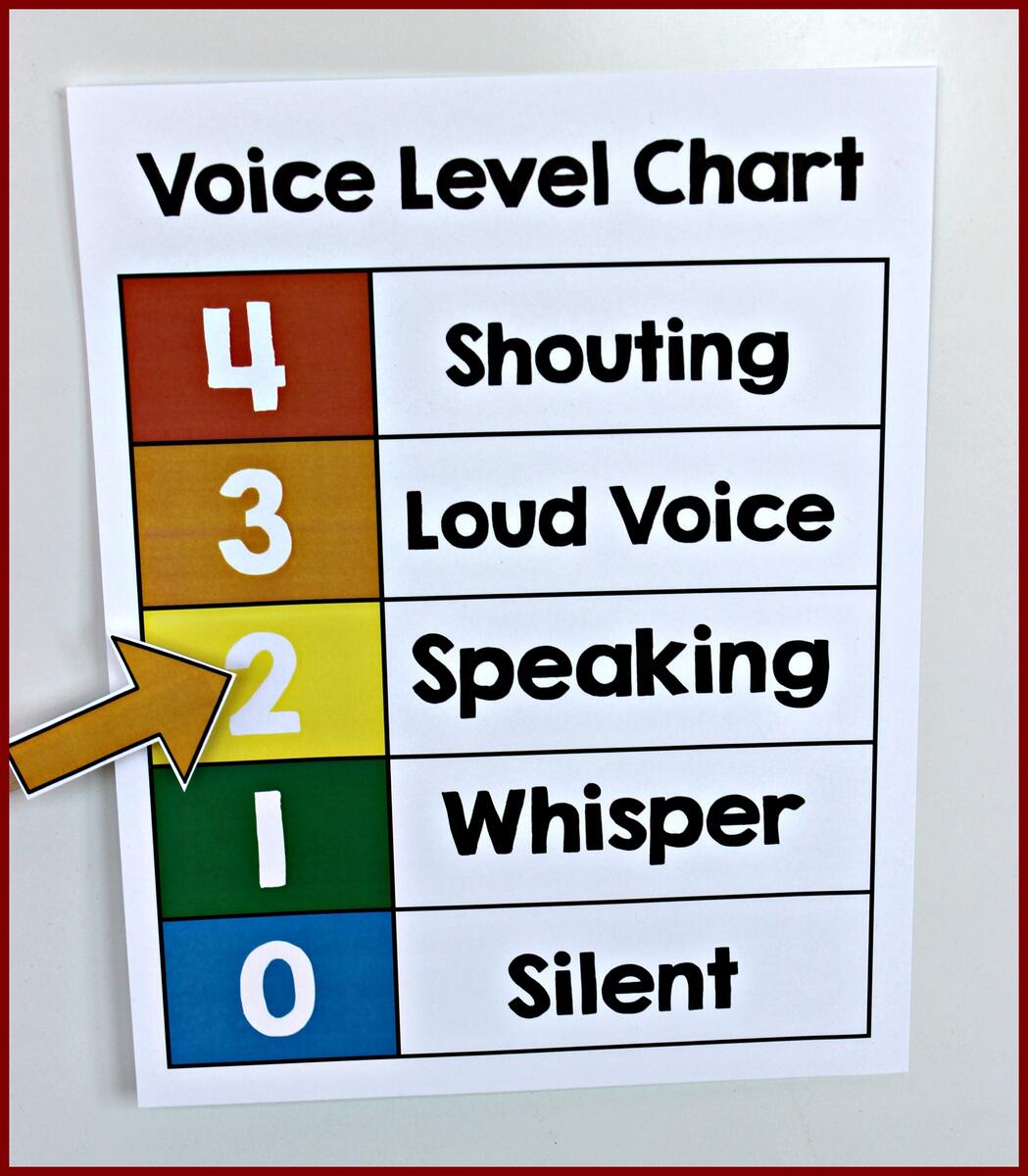
Voice Level Chart FREEBIE Blog MakeTakeTeach
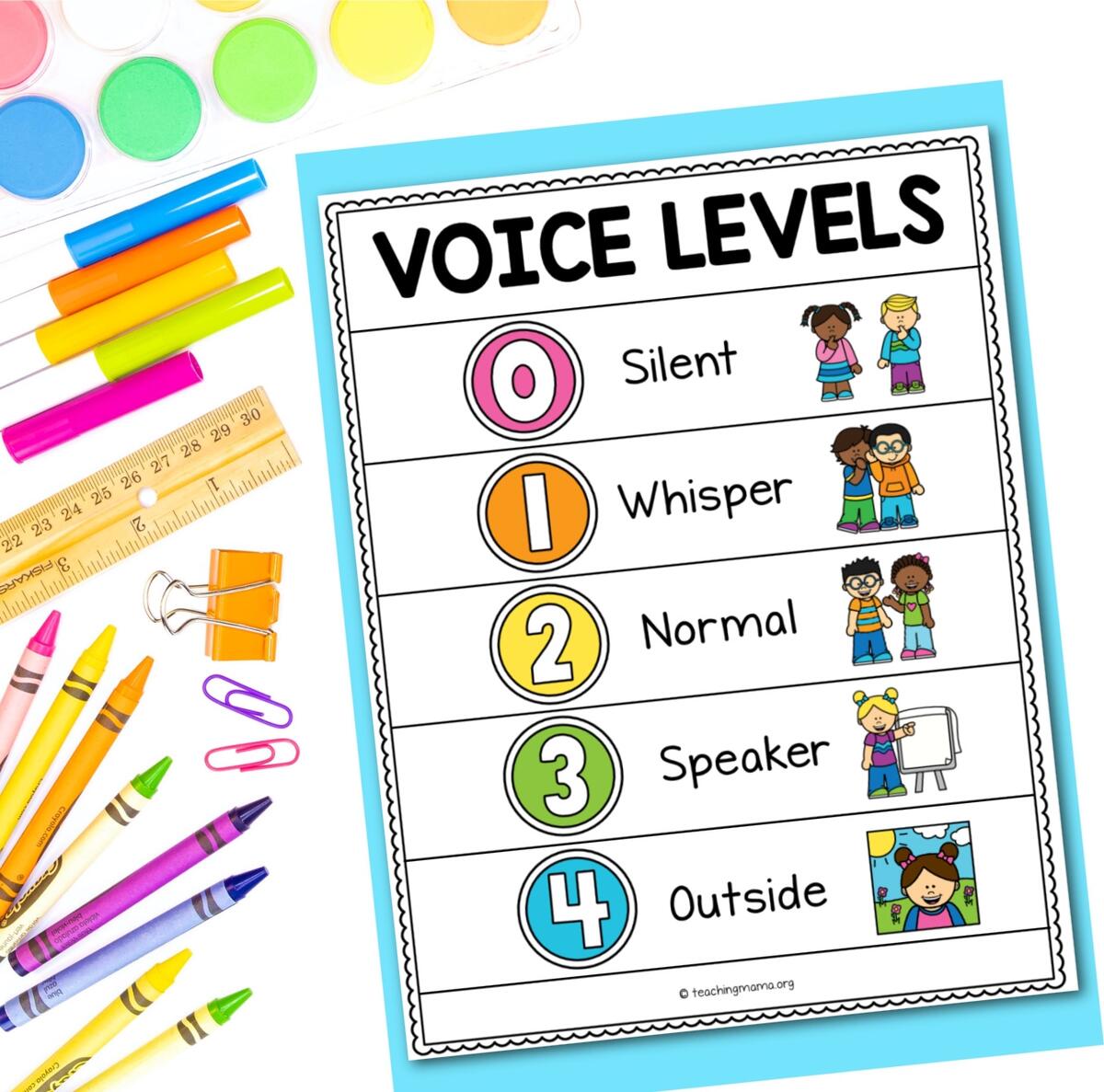
Voice Level Posters Teaching Mama