Network protocols are the backbone of the internet, allowing devices to communicate with each other seamlessly. Two of the most commonly used protocols are TCP (Transmission Control Protocol) and UDP (User Datagram Protocol). While they share some similarities, they have distinct differences in their approach to data transmission. TCP is a connection-oriented protocol that ensures reliable data transfer, whereas UDP is a connectionless protocol that prioritizes speed over reliability.
The choice between TCP and UDP depends on the specific requirements of the application or service. For instance, TCP is often used for email, file transfers, and web browsing, where data integrity is crucial. On the other hand, UDP is commonly used for online gaming, video streaming, and VoIP, where low latency and fast transmission are essential. Having a Tcp Udp Printable Chart can help you visualize the differences between these two protocols and make informed decisions about which one to use in different scenarios.
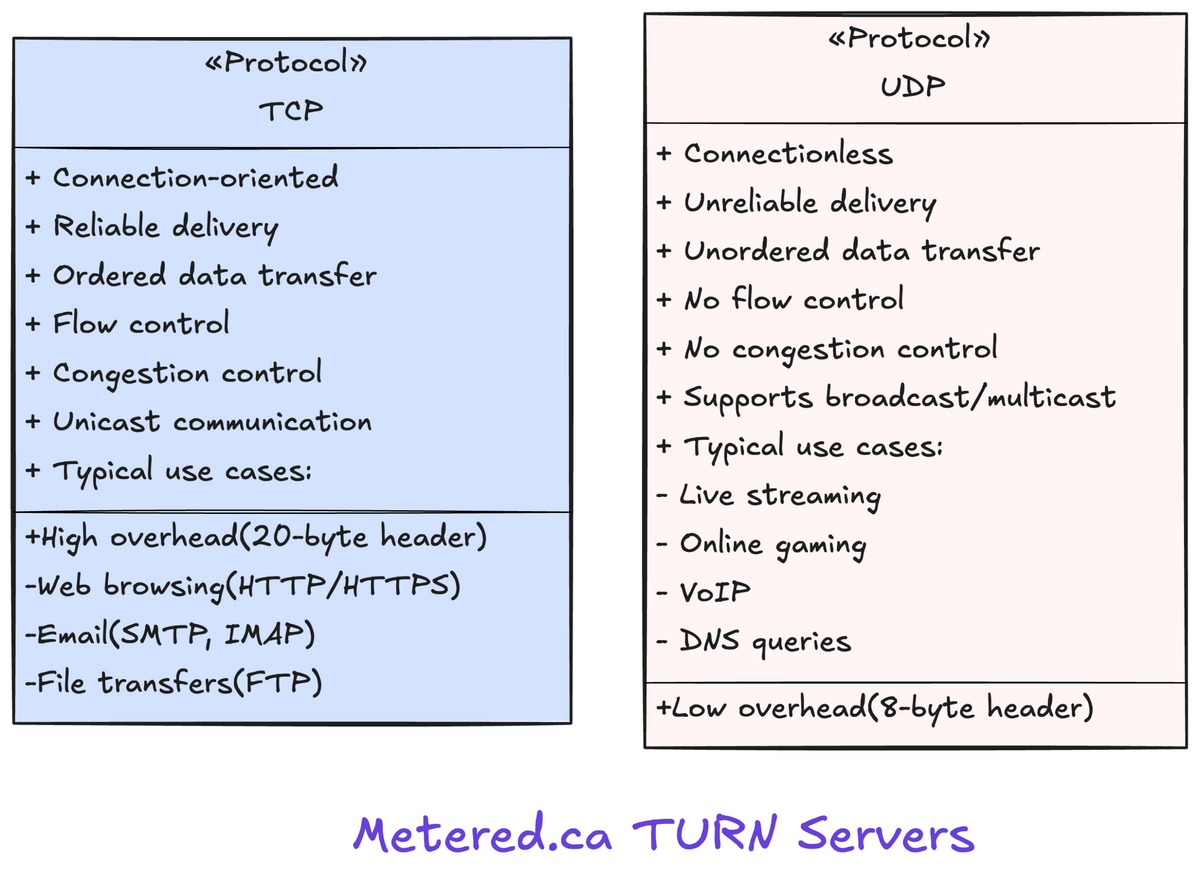
TCP Vs UDP Protocol
Understanding TCP and UDP
To understand TCP and UDP, it’s essential to delve into their underlying mechanics. TCP establishes a connection between the sender and receiver before data is sent, ensuring that packets are delivered in the correct order. UDP, on the other hand, sends data packets without establishing a connection, which can result in lost or duplicated packets. This fundamental difference in approach affects the reliability, speed, and complexity of the two protocols.
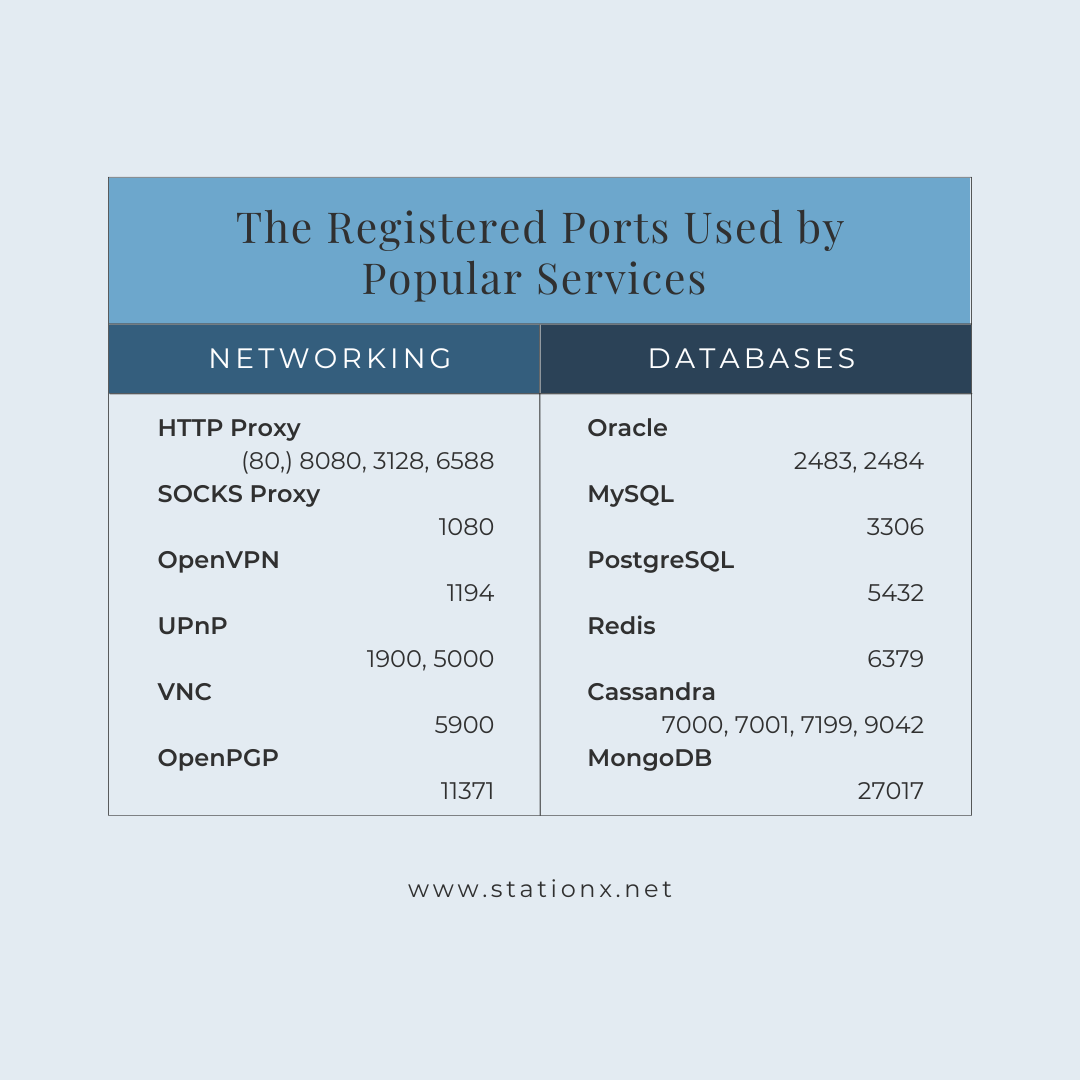
Common Ports Cheat Sheet The Ultimate List
Key Differences Between TCP and UDP
The key differences between TCP and UDP lie in their approach to data transmission, error-checking, and flow control. TCP uses a three-way handshake to establish a connection, ensures packet ordering, and has built-in error-checking mechanisms. UDP, by contrast, has a simpler header format, does not guarantee packet delivery, and has no built-in error-checking. These differences are crucial in determining which protocol to use for specific applications, making a Tcp Udp Printable Chart a valuable resource for network administrators and developers.
Creating a Tcp Udp Printable Chart
Creating a Tcp Udp Printable Chart can be a useful tool for network professionals, developers, and students looking to understand the differences between these two protocols. The chart can highlight the key features, advantages, and disadvantages of each protocol, making it easier to compare and contrast them. By including information on packet structure, connection establishment, error handling, and common use cases, a Tcp Udp Printable Chart can provide a quick reference guide for those looking to navigate the complexities of network protocols.
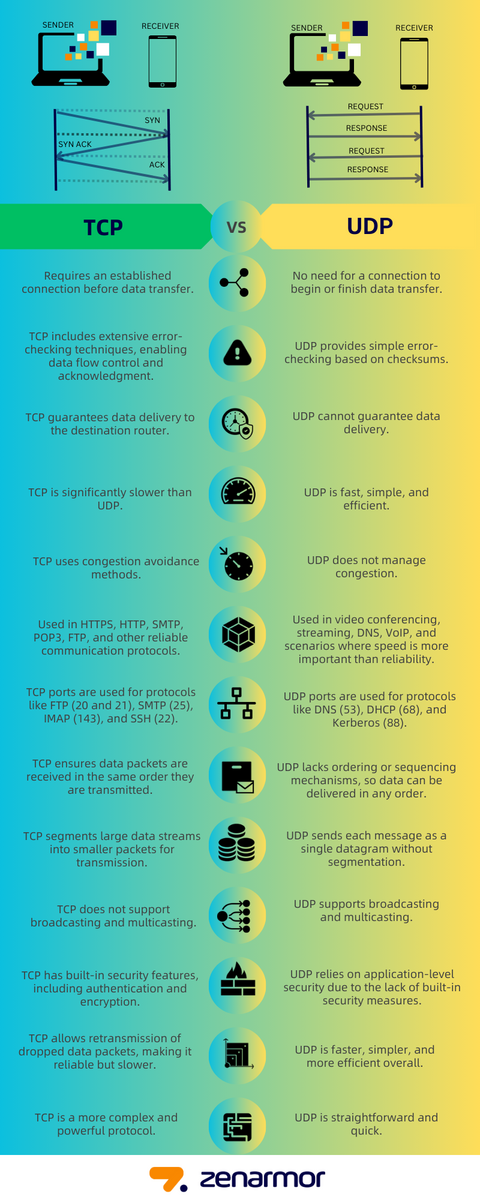
TCP Vs UDP A Simplified Comparison Of Vital Network Protocols Zenarmor
In conclusion, having a Tcp Udp Printable Chart can be a valuable asset for anyone working with network protocols. By understanding the differences between TCP and UDP, individuals can make informed decisions about which protocol to use in different scenarios, ensuring reliable and efficient data transmission. Whether you’re a network administrator, developer, or student, a Tcp Udp Printable Chart can help you navigate the complexities of network protocols and improve your overall understanding of how data is transmitted over the internet.
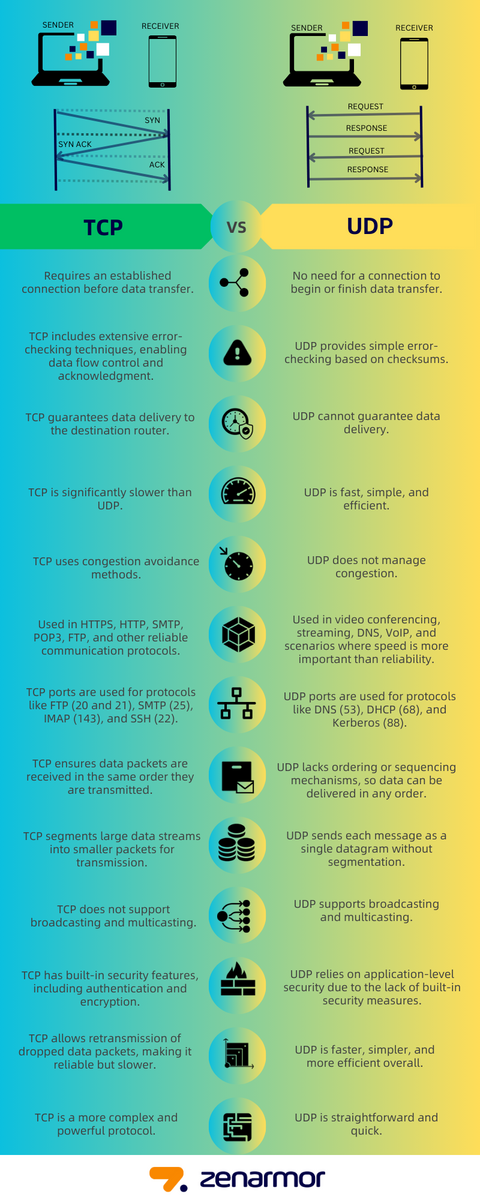
TCP Vs UDP A Simplified Comparison Of Vital Network Protocols Zenarmor
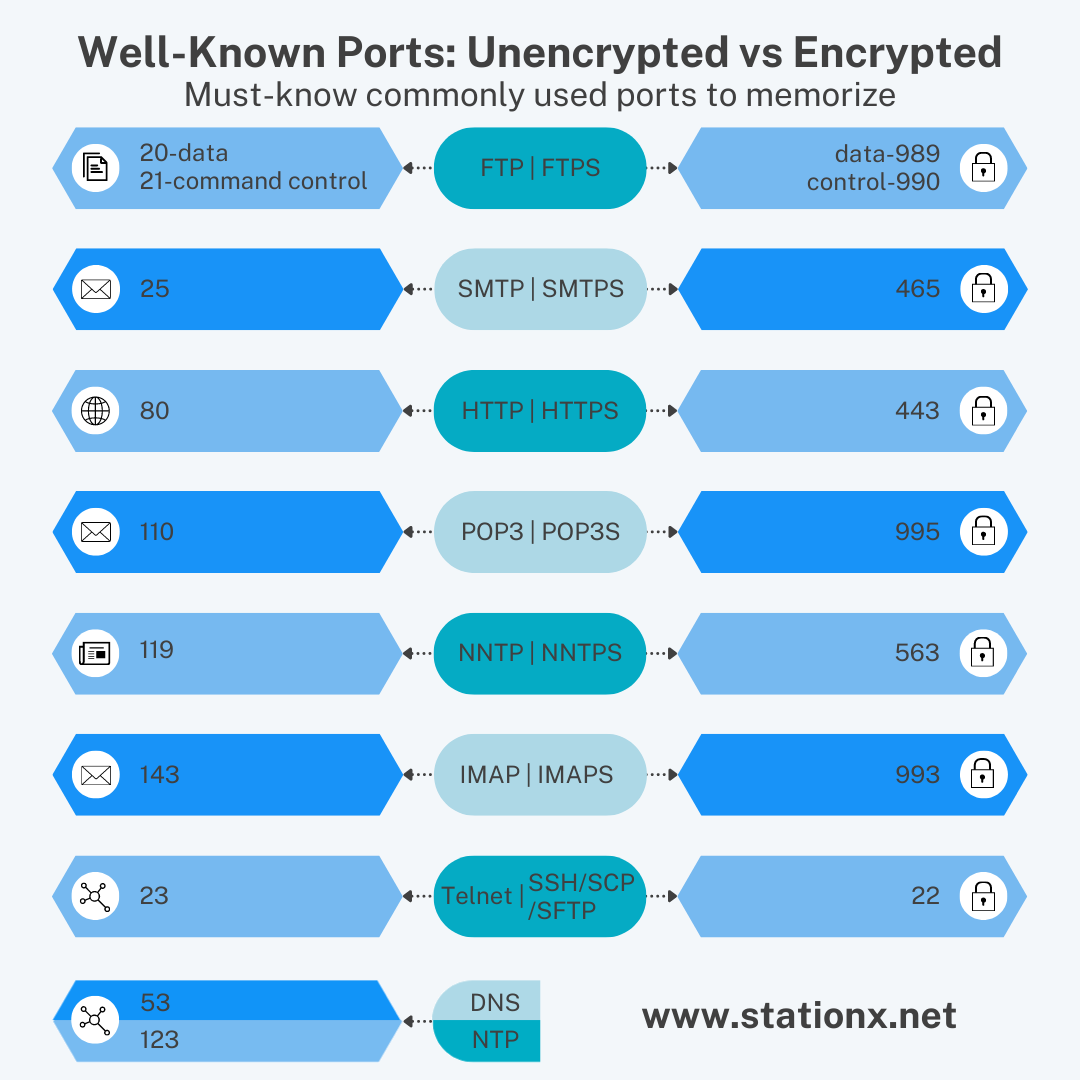
Common Ports Cheat Sheet The Ultimate List