Surface roughness is a critical factor in various industries, including manufacturing, engineering, and construction. It refers to the measure of the surface finish of a material, which can affect its performance, durability, and overall quality. A surface roughness printable chart is a valuable tool that helps professionals measure and compare the surface finish of different materials. With this chart, you can easily determine the roughness of a surface and make informed decisions about its suitability for a particular application.
In many cases, surface roughness can be a make-or-break factor in the success of a project. For instance, a surface with high roughness can lead to increased friction, wear, and tear, while a smooth surface can improve efficiency, reduce maintenance costs, and enhance overall performance. Therefore, it is essential to have a reliable method for measuring surface roughness, and a printable chart can be a handy reference guide for professionals in the field.
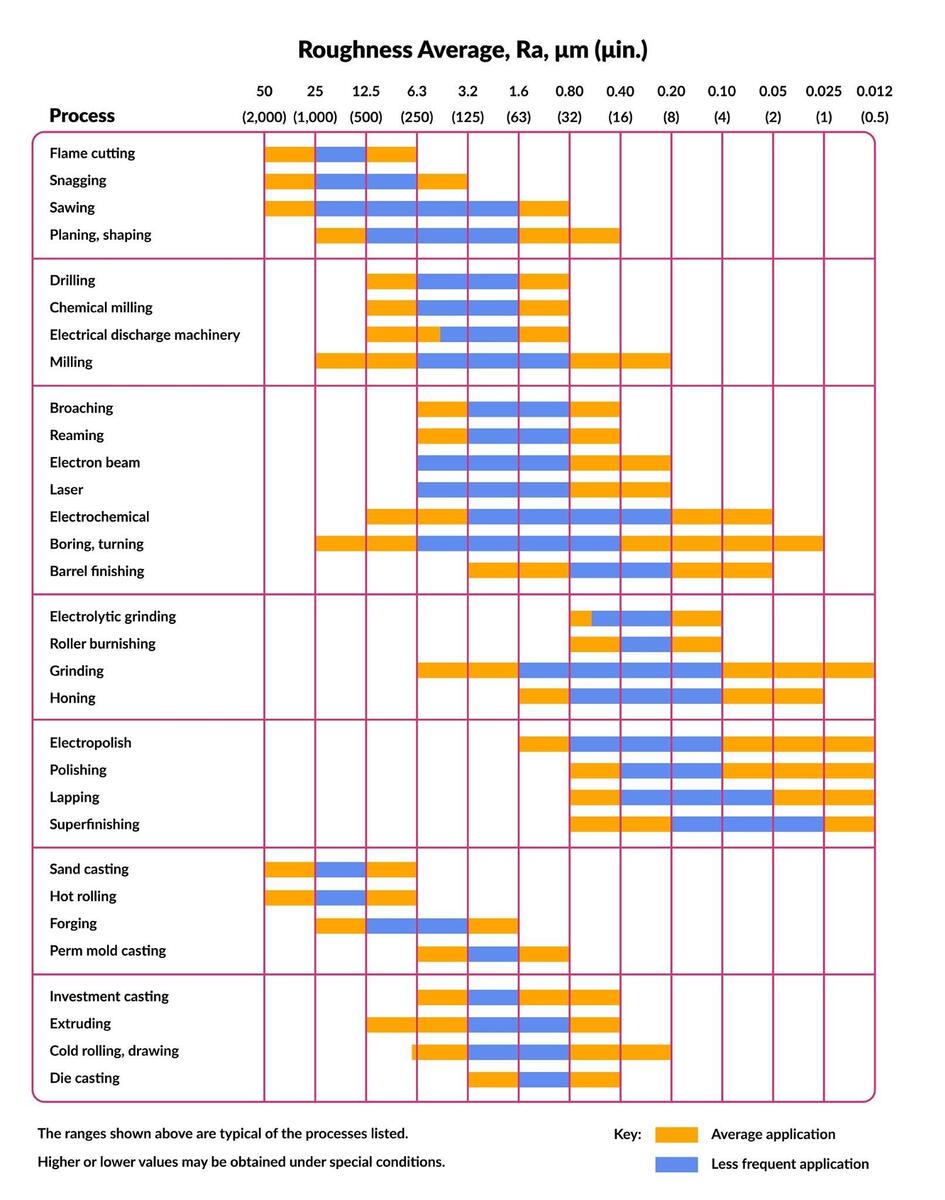
3 6 Surface Texture Finish Introduction To Machining
Understanding Surface Roughness
Surface roughness is typically measured in terms of the average roughness (Ra) or the root mean square (RMS) roughness. The Ra value represents the average deviation of the surface profile from the mean line, while the RMS value represents the square root of the mean of the squared deviations. Understanding these concepts is crucial for interpreting the surface roughness printable chart and making accurate measurements. By familiarizing yourself with these terms, you can better appreciate the importance of surface roughness and its impact on various applications.
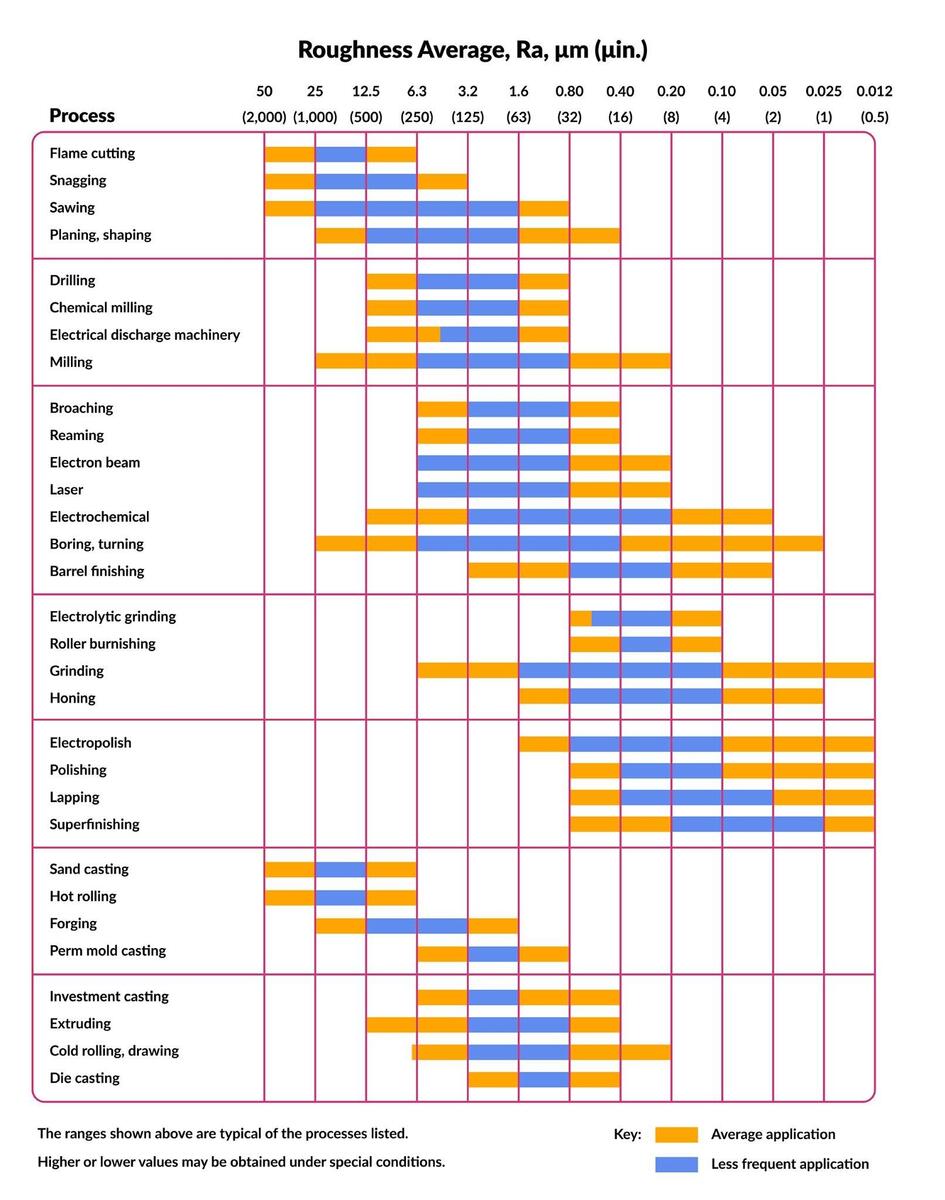
3 6 Surface Texture Finish Introduction To Machining
How to Measure Surface Roughness
Measuring surface roughness can be a complex process, especially for those without extensive experience in the field. However, with the right tools and techniques, it can be a straightforward task. One of the most common methods for measuring surface roughness is using a profilometer, which is a device that measures the surface profile of a material. Alternatively, you can use a surface roughness gauge, which is a handheld device that provides a quick and easy way to measure surface roughness. By using these tools in conjunction with a surface roughness printable chart, you can ensure accurate and reliable measurements.
Using a Surface Roughness Printable Chart
A surface roughness printable chart is a valuable resource that provides a visual representation of different surface finishes. The chart typically features a range of surface roughness values, from very smooth to very rough, and allows you to compare the surface finish of different materials. By using this chart, you can quickly determine the surface roughness of a material and identify potential issues or areas for improvement. Additionally, the chart can be used as a reference guide for specifying surface finish requirements in manufacturing and engineering applications.
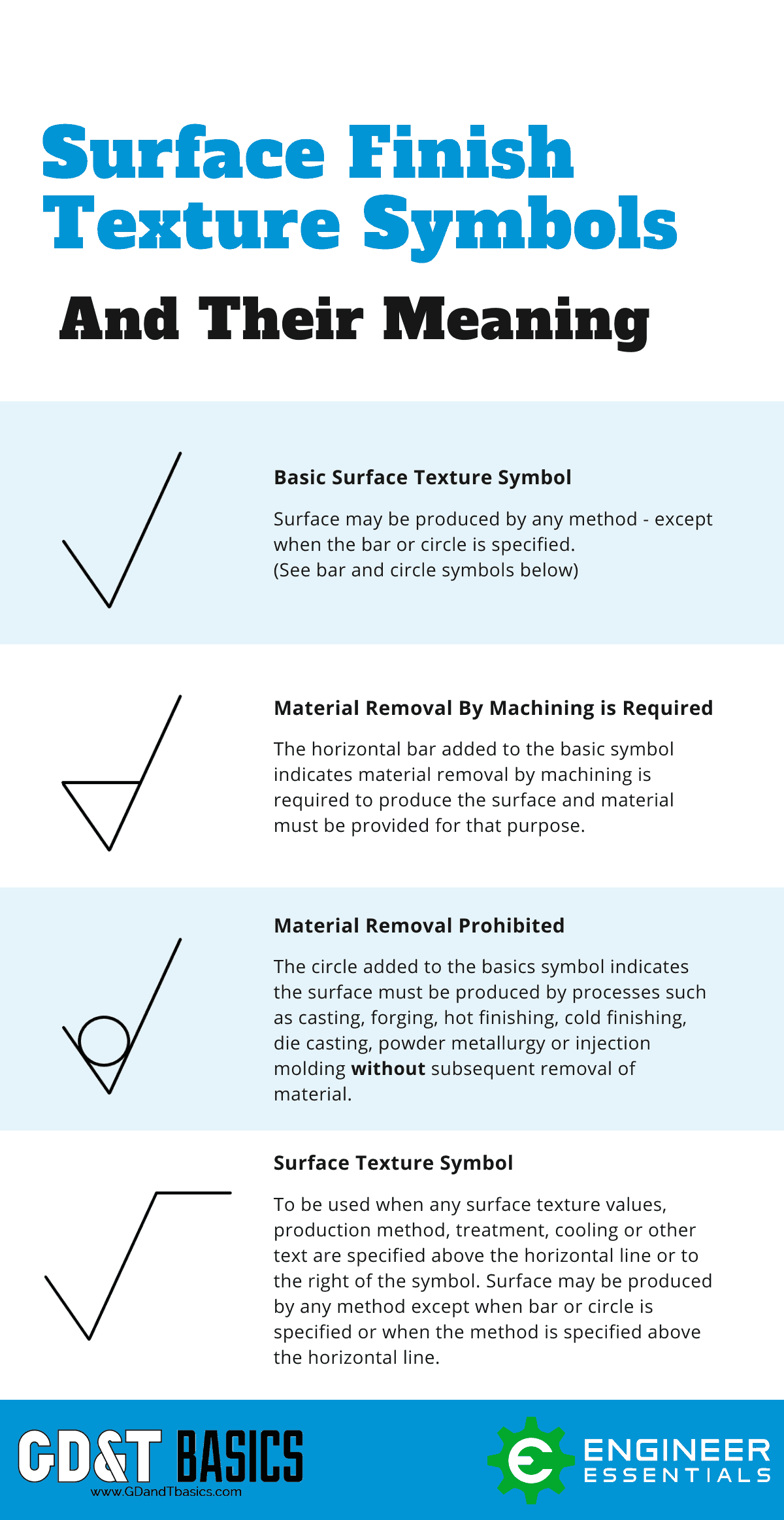
The Basics Of Surface Finish GD T Basics
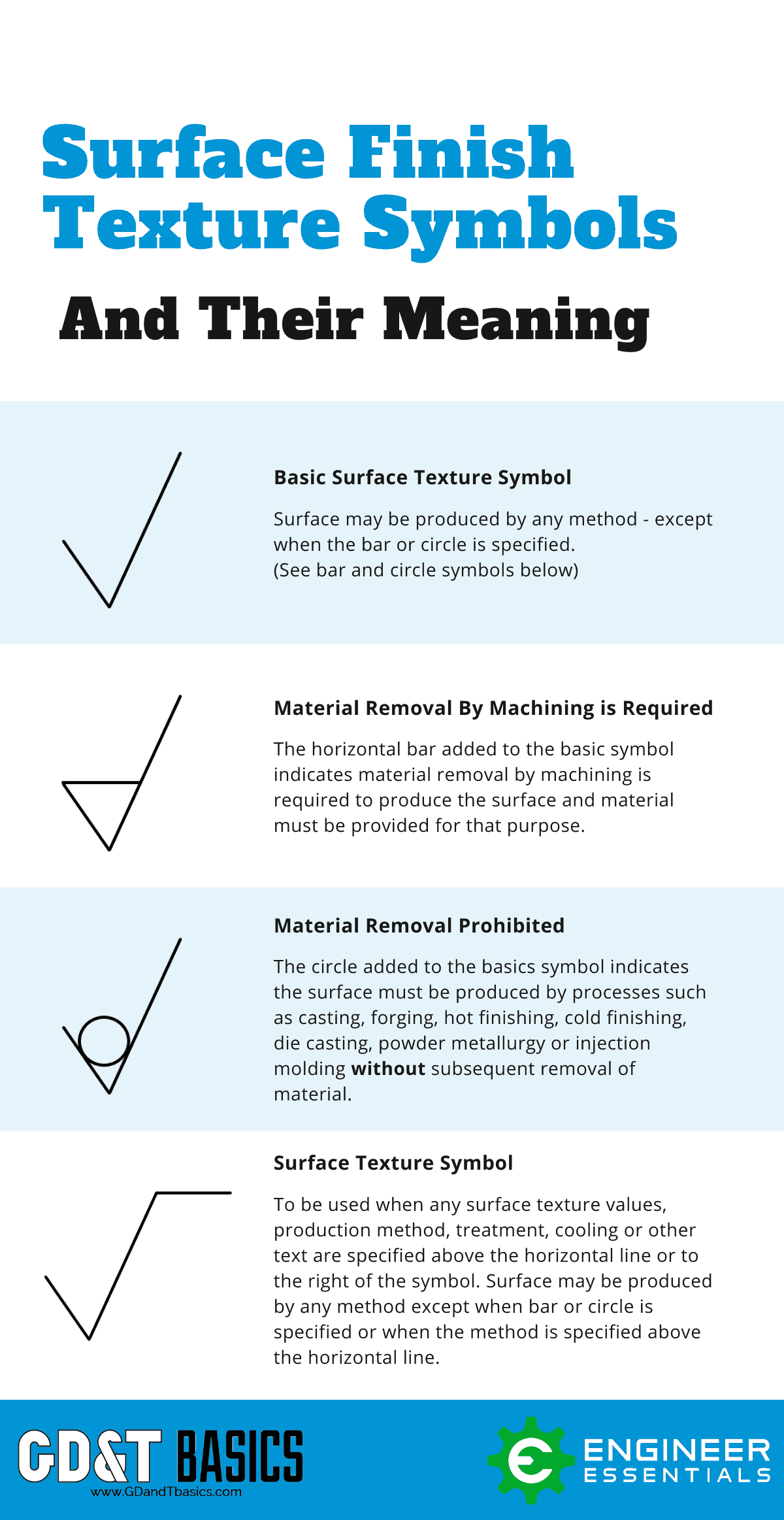
The Basics Of Surface Finish GD T Basics
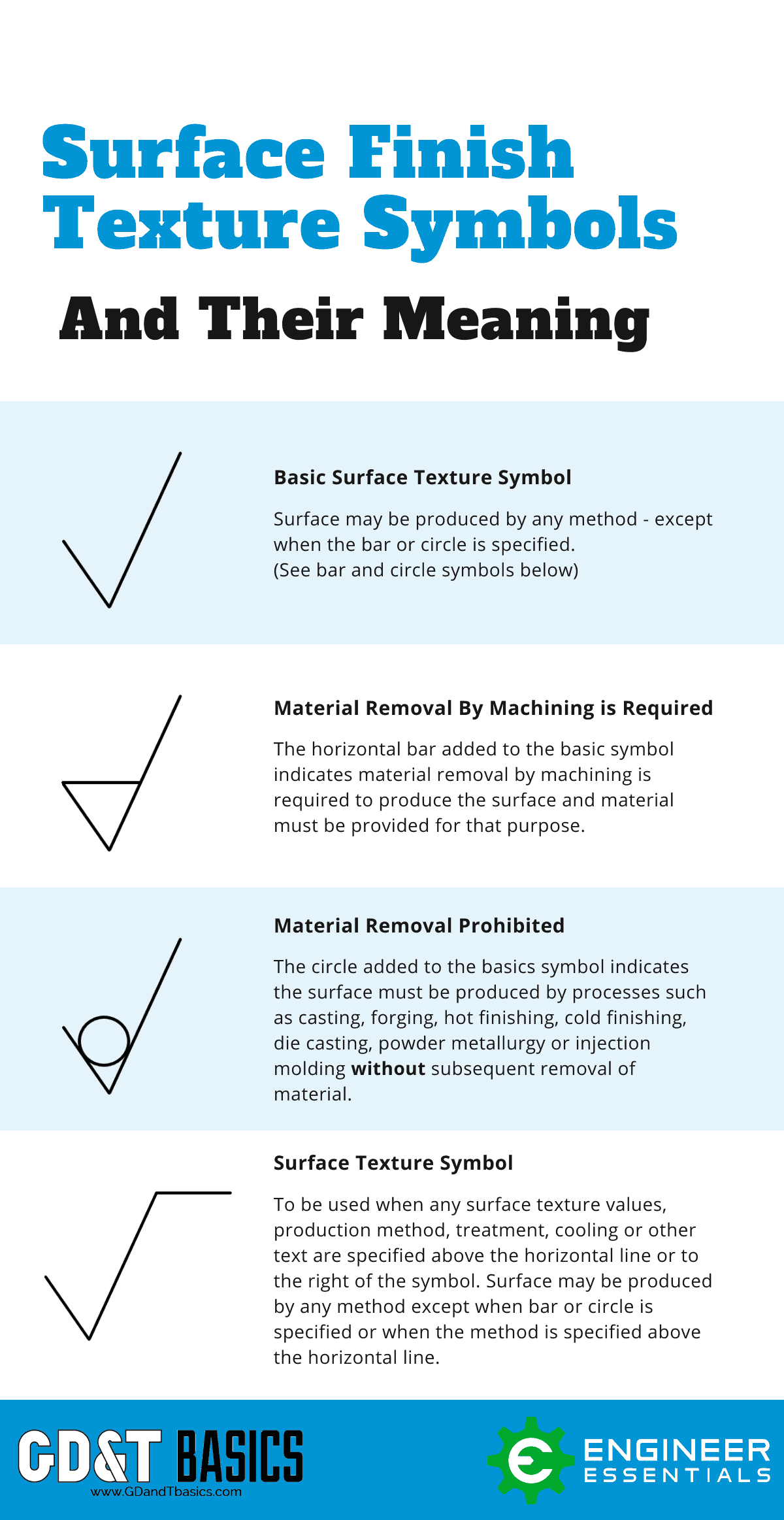
The Basics Of Surface Finish GD T Basics