When it comes to brewing beer, carbonation is a crucial step in the process. The right level of carbonation can make all the difference in the taste and overall enjoyment of your beer. However, achieving the perfect level of carbonation can be a challenge, especially for novice brewers. This is where a temperature pressure chart comes in handy. By understanding the relationship between temperature and pressure, brewers can ensure that their beer is carbonated to perfection.
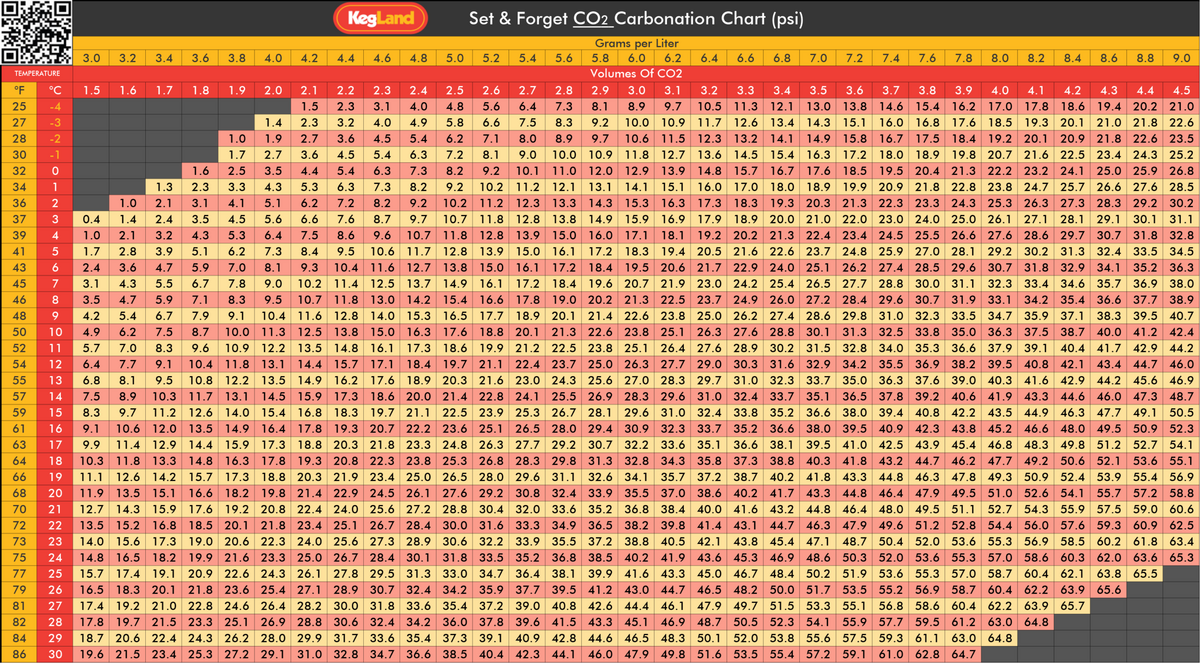
A temperature pressure chart is a valuable tool for brewers, as it provides a visual representation of the ideal carbonation levels for different types of beer. The chart takes into account the temperature and pressure of the beer, allowing brewers to adjust their carbonation levels accordingly. With a printable temperature pressure chart, brewers can easily reference the ideal carbonation levels for their specific beer style, making it easier to achieve consistent results.
ANN PSO Aided Selection Of Hydrocarbons As Working Fluid For Low Temperature Organic Rankine Cycle And Thermodynamic Evaluation Of Optimal Working Fluid ScienceDirect
Understanding Beer Carbonation
To understand beer carbonation, it’s essential to know that carbonation occurs when CO2 is dissolved into the beer. The amount of CO2 that can be dissolved depends on the temperature and pressure of the beer. Generally, lower temperatures and higher pressures result in more CO2 being dissolved, while higher temperatures and lower pressures result in less CO2 being dissolved. By using a temperature pressure chart, brewers can determine the ideal carbonation levels for their beer based on these factors.
Chest Freezer Specs And Layouts Homebrew Talk Beer Wine Mead Cider Brewing Discussion Forum
How to Use a Temperature Pressure Chart
Using a temperature pressure chart is relatively straightforward. Simply match the temperature of your beer to the corresponding pressure level on the chart, and adjust your carbonation levels accordingly. For example, if you’re brewing a lager at a temperature of 40°F (4°C), you would look for the pressure level that corresponds to this temperature on the chart. By following the guidelines on the chart, you can ensure that your beer is carbonated to the perfect level.
Tips for Achieving Perfect Carbonation
Achieving perfect carbonation requires attention to detail and a bit of practice. One tip is to use a hydrometer to measure the specific gravity of your beer, which can help you determine the ideal carbonation level. Additionally, it’s essential to monitor the temperature and pressure of your beer during the carbonation process, as fluctuations can affect the final result. By following these tips and using a temperature pressure chart, brewers can achieve consistent and perfect carbonation levels every time.
CO2 Carbonation Chart For Beer Soda Water Or Any Beverage Homebrew Happy Hour
In conclusion, a temperature pressure chart is an essential tool for any brewer looking to achieve perfect carbonation levels. By understanding the relationship between temperature and pressure, brewers can ensure that their beer is carbonated to perfection. With a printable temperature pressure chart, brewers can easily reference the ideal carbonation levels for their specific beer style, making it easier to achieve consistent results. Whether you’re a novice or experienced brewer, a temperature pressure chart is a valuable resource that can help take your brewing to the next level.
Does Anyone Have A Good Metric Carbonation Chart R Homebrewing
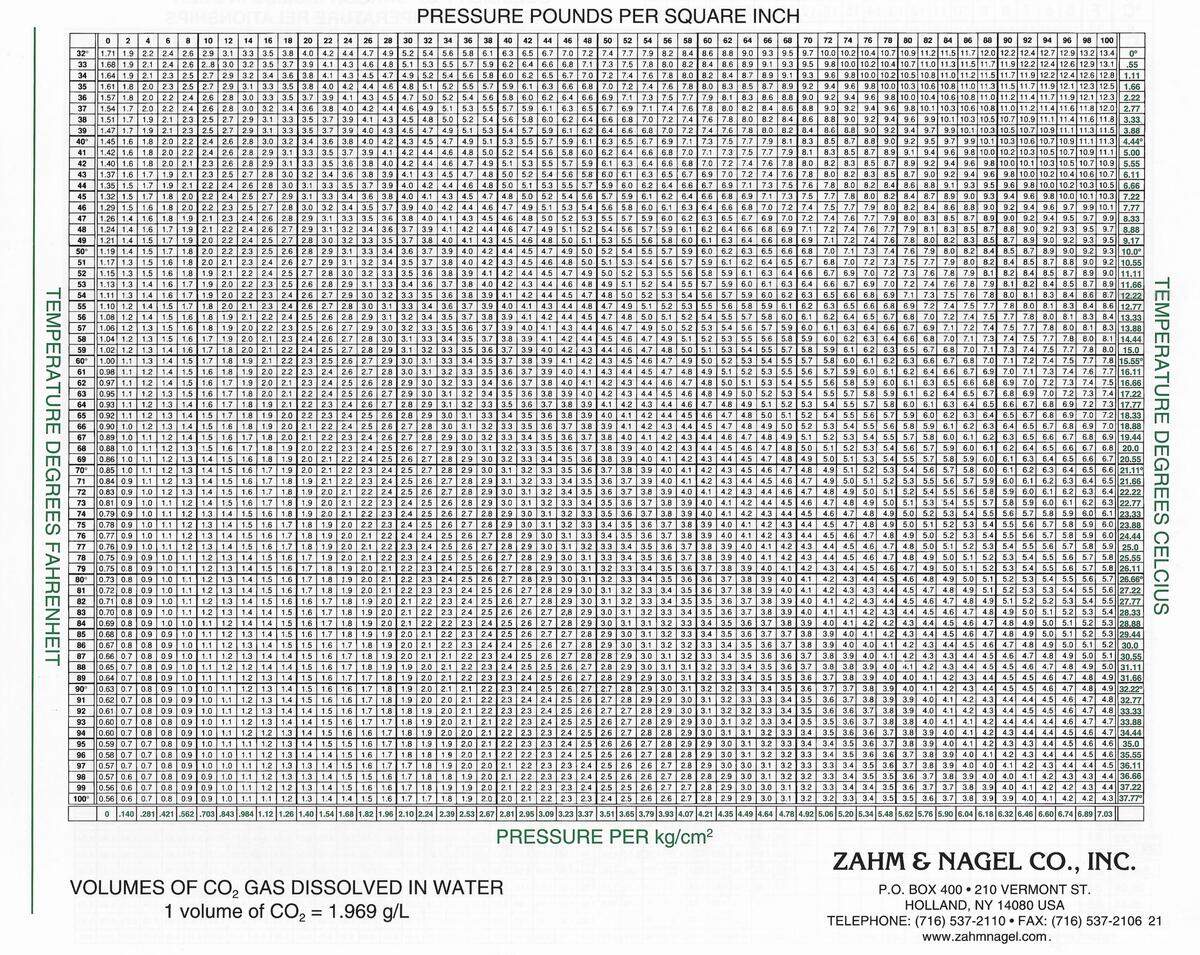
CO Charts Zahm Nagel Co Inc