Homeschooling can be a fun and rewarding experience for both parents and children. One of the key benefits of homeschooling is the ability to tailor the learning experience to the individual child’s needs and interests. For young children, learning to count and recognize numbers is a fundamental skill that lays the foundation for future math skills. A free printable number chart to 100 can be a valuable tool in the homeschooling journey, providing a visual aid that can help children learn and understand numbers in a fun and engaging way.
Using a number chart can help children develop their math skills, including counting, basic addition and subtraction, and number recognition. The chart can also be used to teach children about patterns and relationships between numbers. For example, children can use the chart to identify odd and even numbers, or to find numbers that are multiples of a certain number. By using a number chart, homeschooling parents can create a interactive and engaging learning experience that will help their children develop a strong foundation in math.
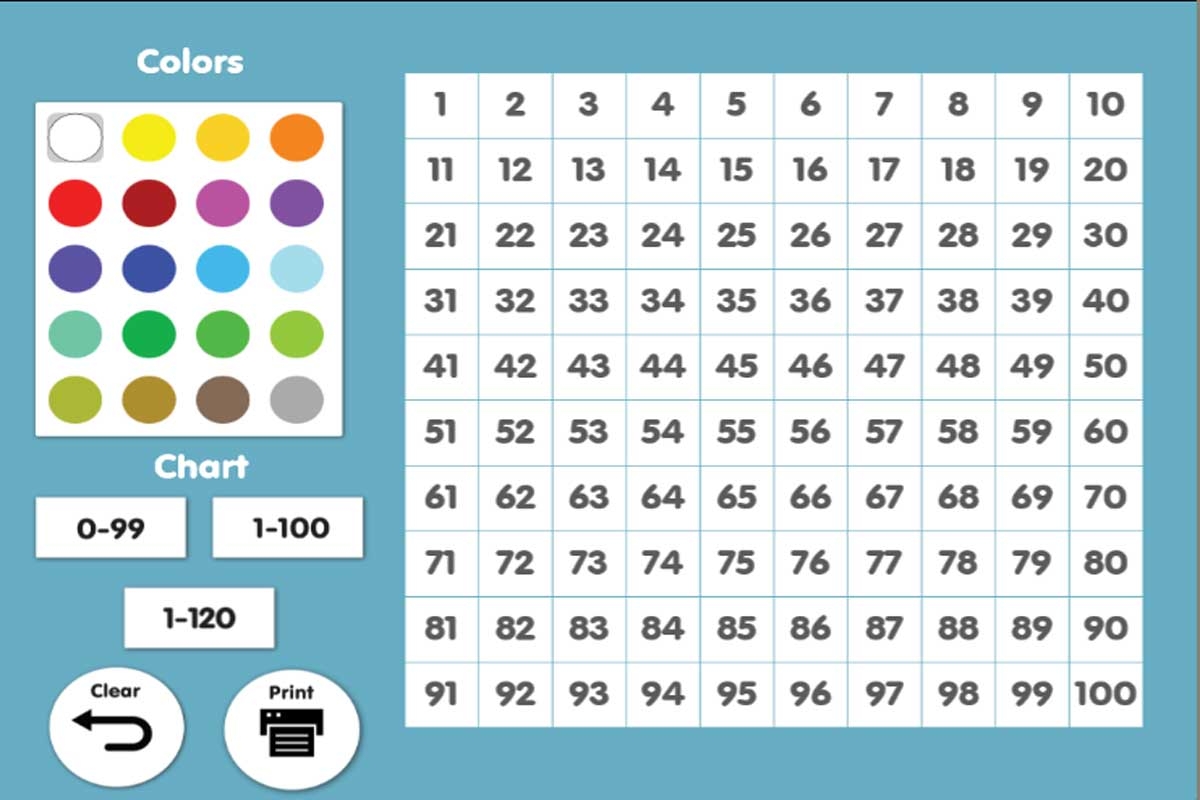
Interactive Number Chart Free DIY Homeschooler
Benefits of Using a Number Chart
There are many benefits to using a number chart in homeschooling. For one, it provides a visual aid that can help children understand and recognize numbers. The chart can also be used to teach children about patterns and relationships between numbers, which is an important skill for future math success. Additionally, a number chart can be a fun and interactive way to learn, which can help keep children engaged and motivated. By incorporating a number chart into their homeschooling routine, parents can create a learning experience that is both fun and effective.
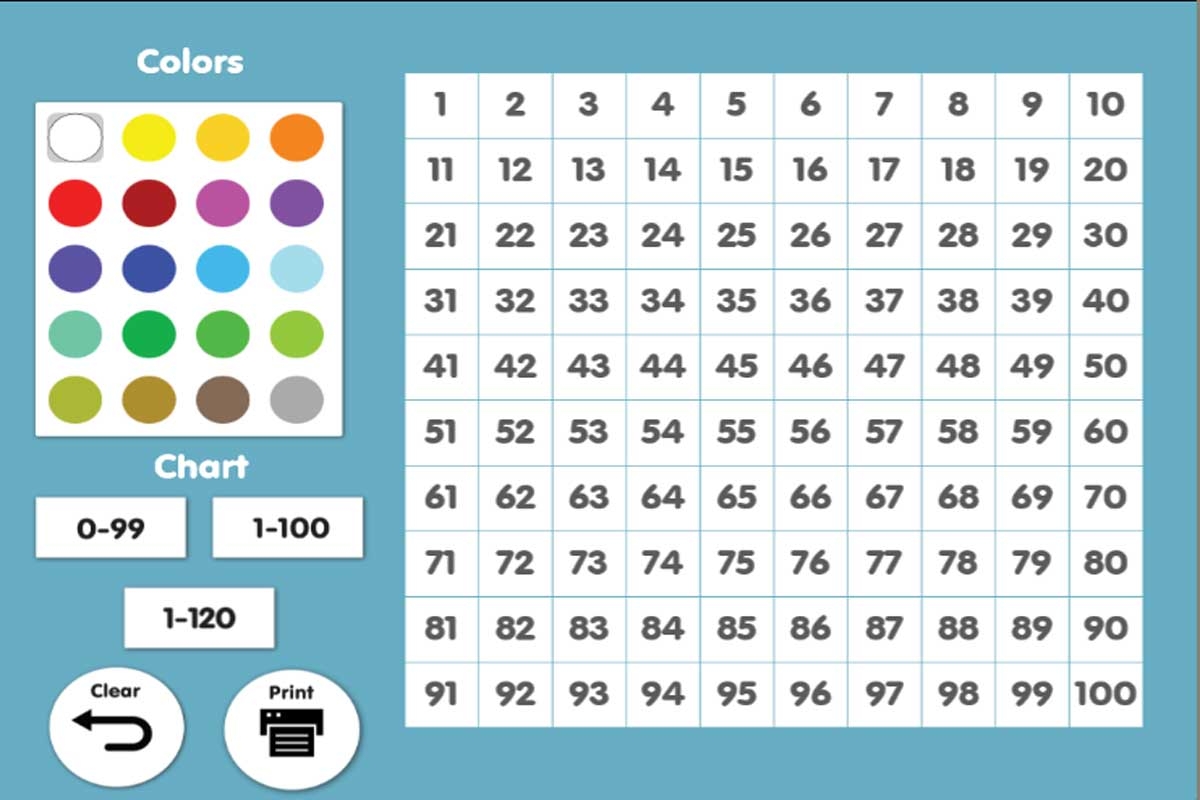
Interactive Number Chart Free DIY Homeschooler
How to Use a Number Chart in Homeschooling
To use a number chart in homeschooling, parents can start by printing out the chart and posting it in a prominent location, such as a wall or fridge. Then, they can use the chart to teach their children about numbers, starting with the basics of counting and number recognition. As the child becomes more confident, the parent can use the chart to teach more advanced skills, such as basic addition and subtraction. The chart can also be used to play games and activities, such as ‘What’s Missing?’ or ‘Number Patterns’, which can help make learning fun and engaging.
Tips for Creating a Learning-Friendly Environment
Creating a learning-friendly environment is crucial for homeschooling success. This can involve setting up a dedicated learning space, such as a home office or classroom, and filling it with educational resources and materials. A number chart can be a valuable addition to this space, providing a visual aid that can help children learn and understand numbers. Parents can also use the chart to create a sense of routine and structure, which can help children feel more secure and confident in their learning. By combining a number chart with other educational resources and materials, parents can create a learning environment that is both fun and effective.
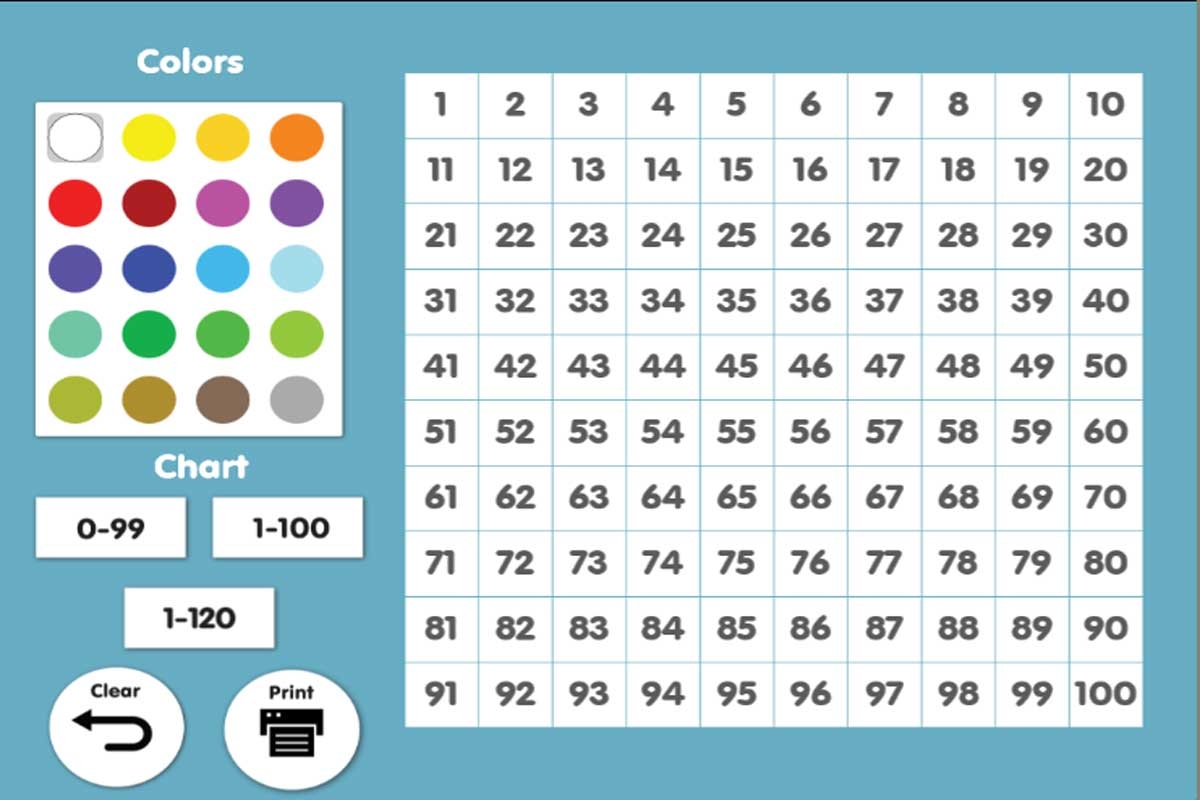
Interactive Number Chart Free DIY Homeschooler
In addition to using a number chart, there are many other ways that parents can create a learning-friendly environment. This can involve incorporating games and activities into the learning routine, such as puzzles, brain teasers, and educational apps. Parents can also use music and movement to make learning more engaging and fun, such as singing songs or playing math-themed games. By combining these approaches with a number chart, parents can create a learning experience that is both interactive and effective, and that will help their children develop a strong foundation in math and other subjects.
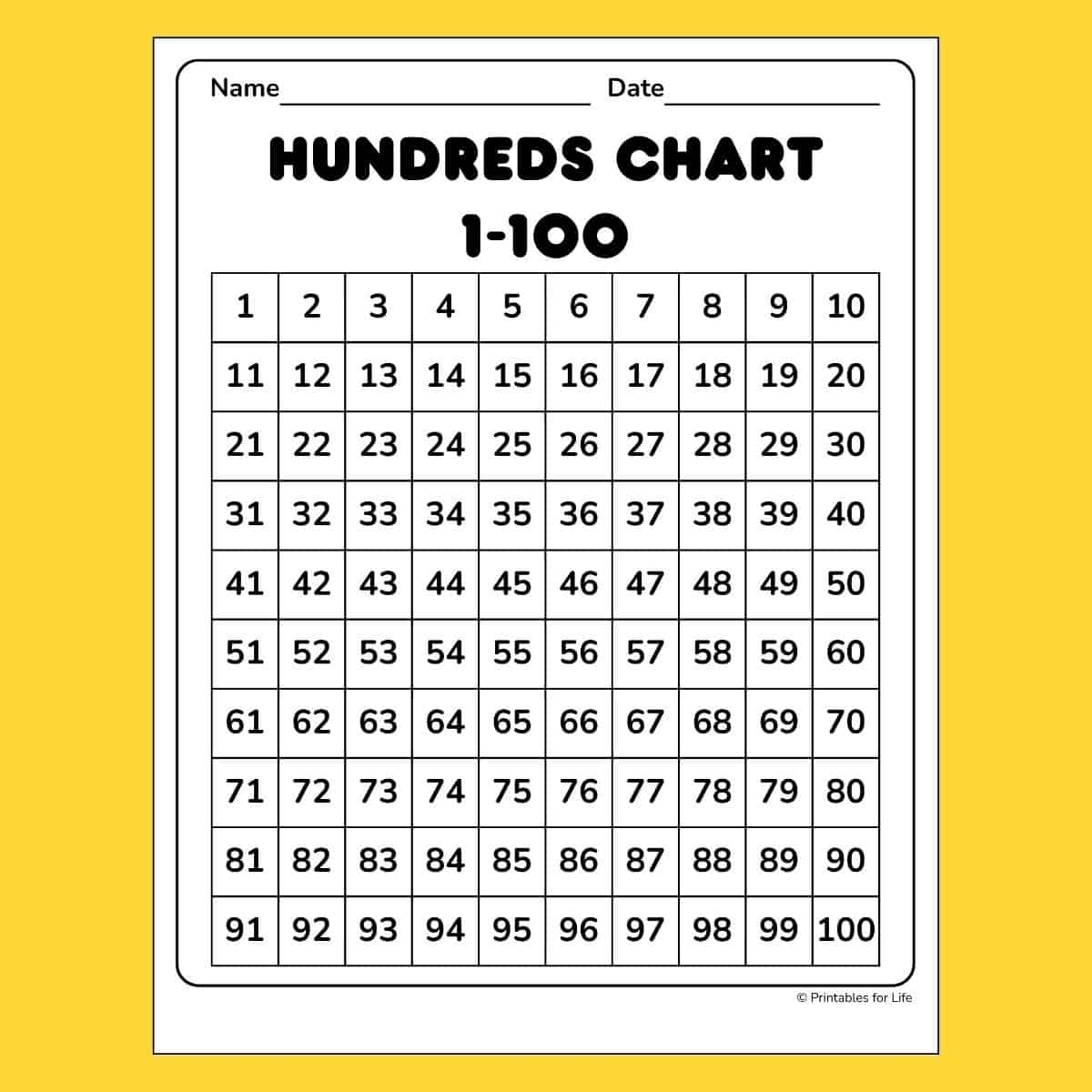
Free 1 100 Hundreds Chart To Print PDF
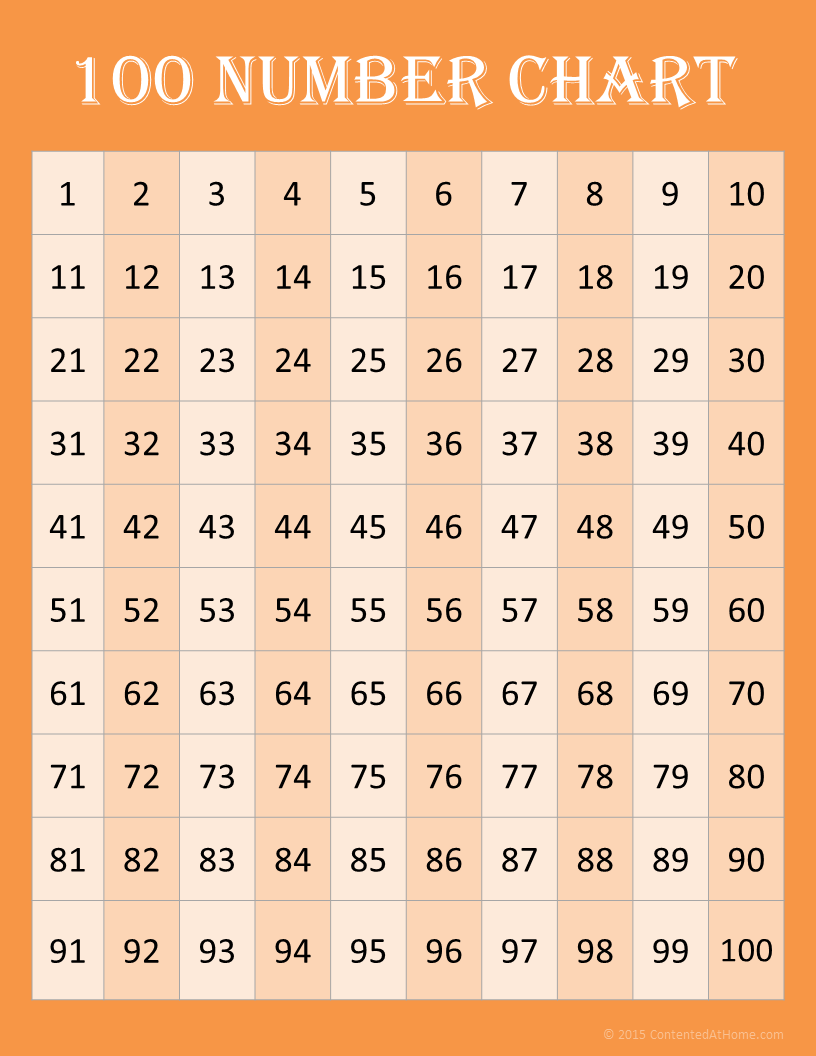
Free Math Printables 100 Number Charts