Minerals have long fascinated humans due to their unique properties and stunning appearances. When viewed under a microscope, minerals reveal a kaleidoscope of colors, each telling a story about their composition and origin. For geology enthusiasts, students, and professionals, understanding these colors is key to identifying and studying minerals. A printable color chart for minerals under a microscope is an invaluable tool, serving as a quick reference guide to decipher the colorful world of minerals.
The diversity of mineral colors is astounding, ranging from the deep blues of azurite to the vibrant greens of malachite. Each mineral’s color is a result of its chemical composition and the way it interacts with light. By studying these colors, one can gain insights into a mineral’s potential uses, its geological history, and its place within the Earth’s crust. However, without a comprehensive guide, navigating this colorful landscape can be daunting. This is where a printable color chart comes into play, offering a systematic approach to mineral identification.
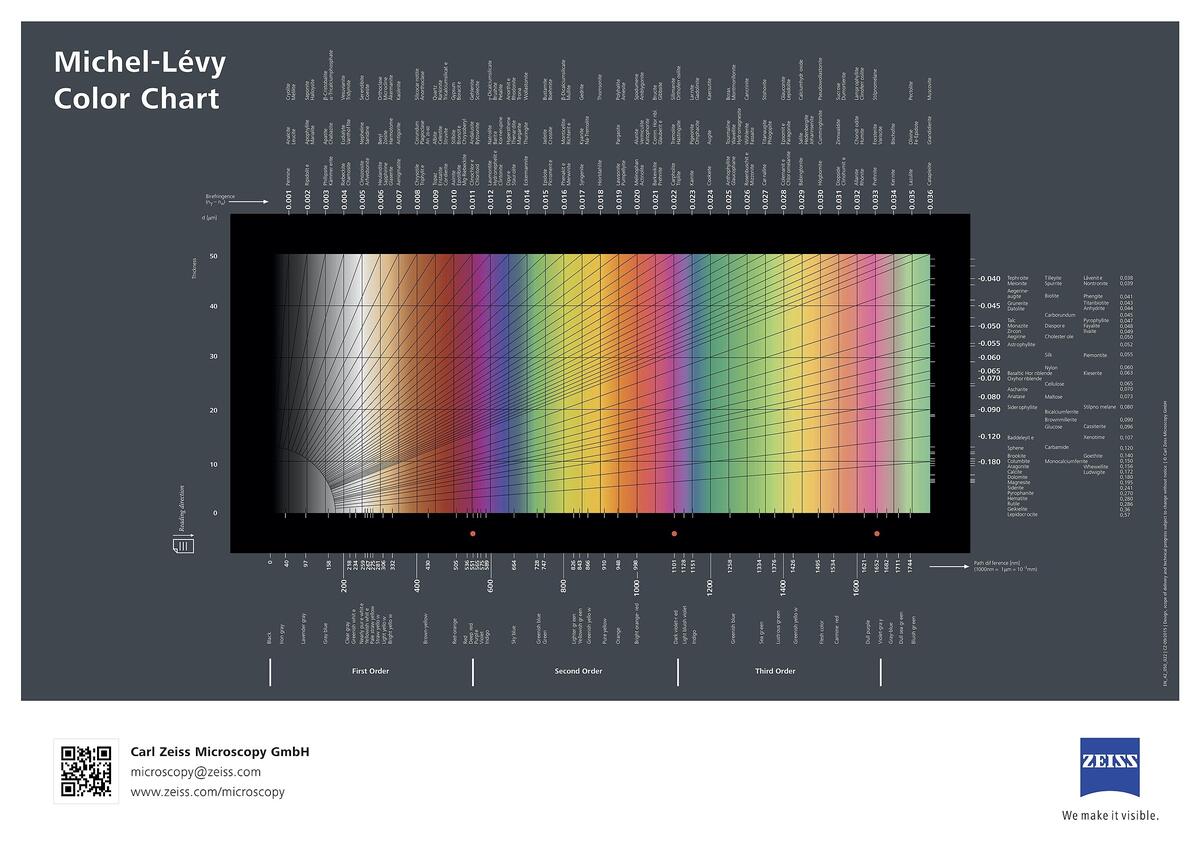
File Michel L Vy Interference Colour Chart 21257606712 Jpg Wikimedia Commons
Understanding Mineral Colors
Understanding mineral colors is the first step in creating a useful printable color chart. This involves categorizing minerals based on their hues and shades, which can range from monochromatic to polychromatic. By grouping similar colors together, the chart becomes more intuitive and easier to use. Moreover, including examples of minerals that exhibit each color can enhance the learning experience, making the chart a valuable educational resource.
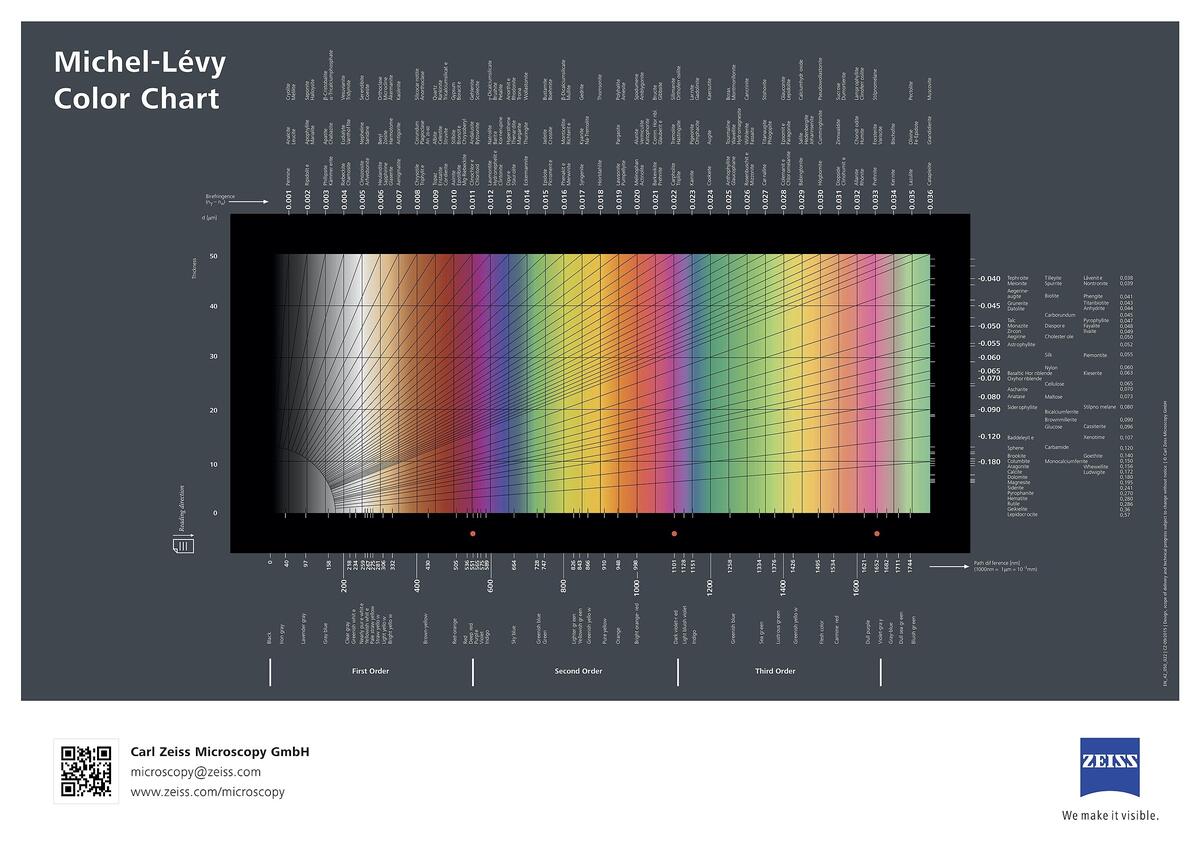
File Michel L Vy Interference Colour Chart 21257606712 Jpg Wikimedia Commons
Creating a Printable Color Chart
Creating a printable color chart for minerals under a microscope requires meticulous attention to detail and a thorough understanding of mineralogy. The chart should be designed to be visually appealing and easy to read, with clear categorizations and examples. Digital tools can be particularly useful in this process, allowing for the creation of high-resolution images and customizable layouts. Once created, the chart can be printed on high-quality paper or cardstock, ensuring durability and longevity.
Applying the Color Chart in Microscopy
Applying the color chart in microscopy involves more than just matching colors; it requires a deep understanding of the mineral’s optical properties and how they appear under different lighting conditions. The chart should be used in conjunction with a microscope, allowing users to compare the mineral samples directly with the colors on the chart. This hands-on approach not only aids in identification but also fosters a deeper appreciation for the complexity and beauty of the mineral kingdom.
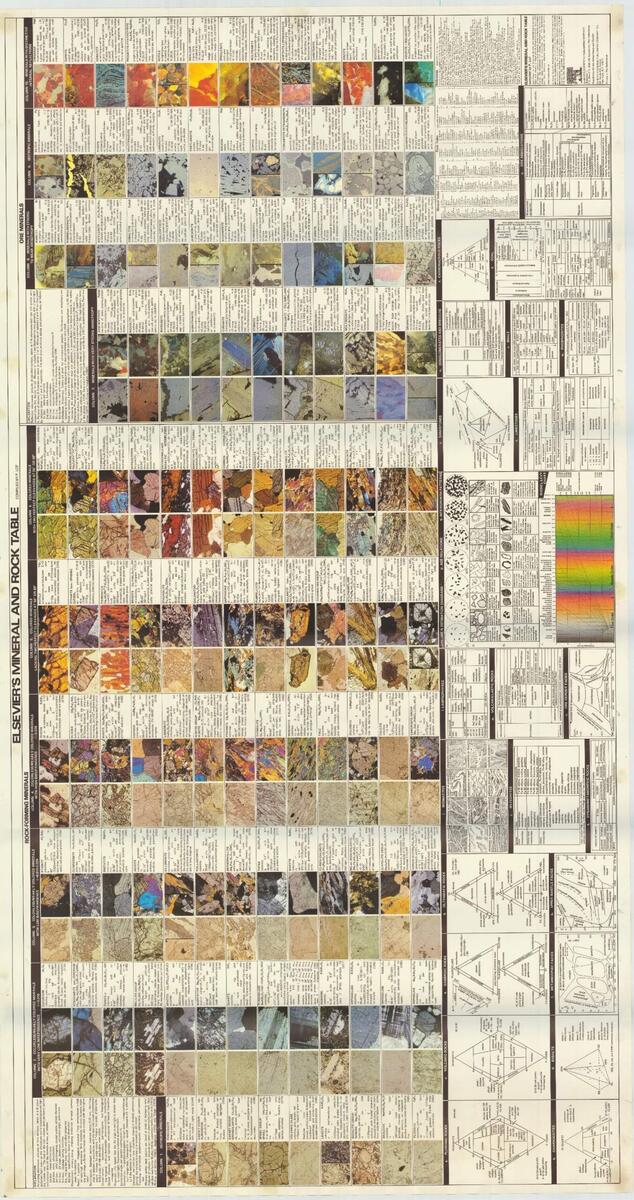
Rocks And Mineral Identification Table 911Metallurgist
In conclusion, a printable color chart for minerals under a microscope is an indispensable resource for anyone fascinated by geology and mineralogy. By providing a systematic and visually engaging way to understand and identify minerals based on their colors, such a chart bridges the gap between theoretical knowledge and practical application. Whether used in educational settings, research, or simply for hobbyist pursuits, this tool has the potential to unlock new discoveries and inspire a greater appreciation for the Earth’s mineral treasures.